
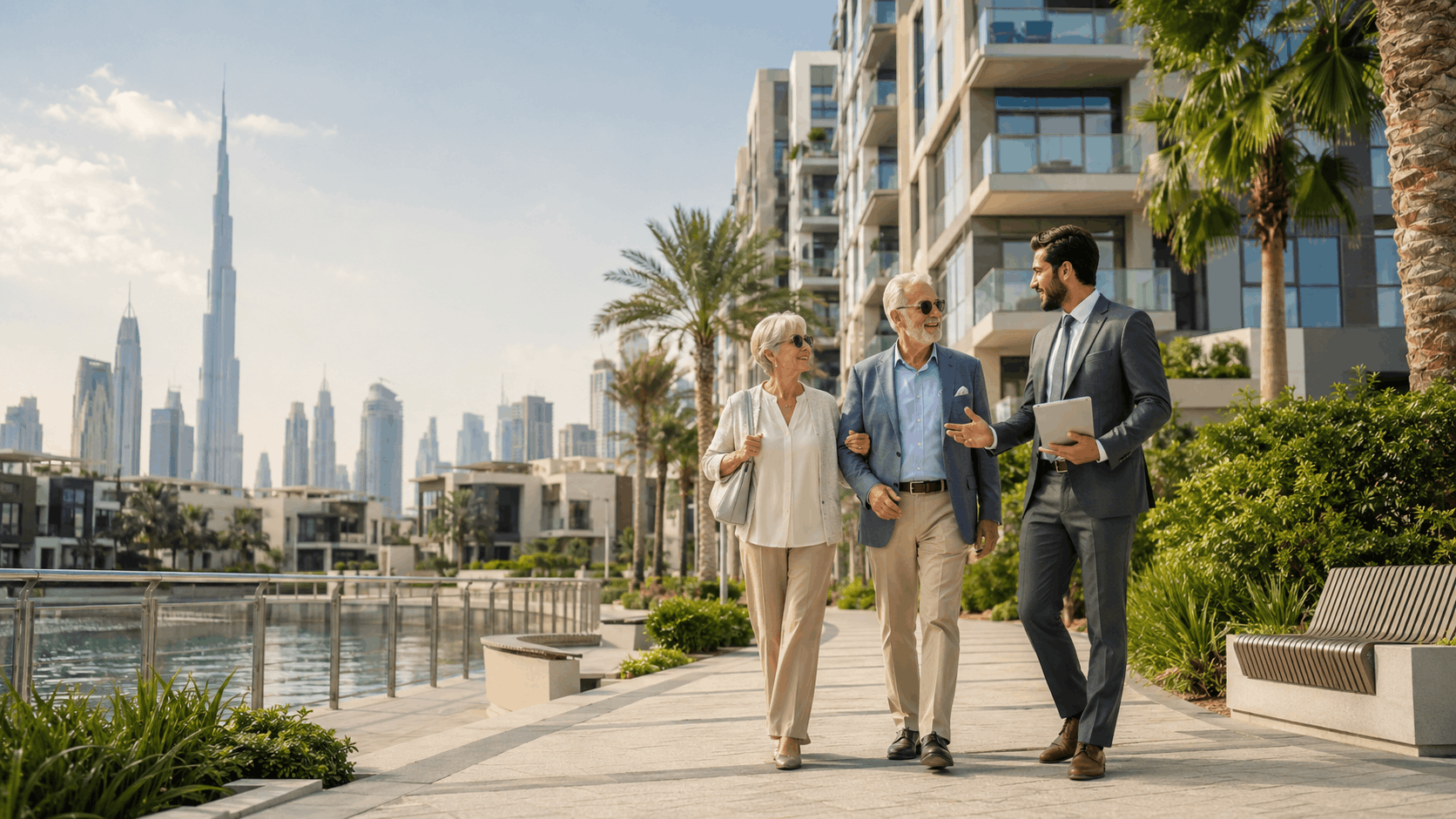
The impact of Middle East conflict on Dubai real estate is often viewed through a lens of opportunity, resilience, and strategic growth. Supported by the economic resilience of Dubai, the emirate continues to strengthen its position as a stable, globally trusted real estate market even when geopolitical tensions reshape regional dynamics. Its ability to attract investment, talent, and long-term residents during uncertain times highlights Dubai’s unique advantage in the region.
Dubai’s Strength as a Regional Stability Hub
Dubai has built a strong reputation as one of the most stable and well-regulated cities in the Middle East. During times of regional change, this stability becomes even more valuable.
Key strengths include:
- Transparent real estate regulations
- Advanced infrastructure and connectivity
- A diversified, innovation-driven economy
- Strong governance and investor protection
Because of these factors, Dubai naturally becomes a preferred destination for individuals and businesses seeking continuity and long-term security.
Safe Haven Appeal Driving Real Estate Demand
A major aspect of the impact of Middle East conflict on Dubai real estate is the city’s role as a safe haven. When uncertainty arises in surrounding regions, Dubai attracts increased attention from investors and residents alike.
Positive outcomes include
- Strong demand for residential properties
- Increased interest from regional buyers
- Growth in long-term residency trends
This consistent inflow supports market activity and strengthens the overall real estate ecosystem.

Increased Investment Activity and Capital Inflows
Dubai’s real estate market benefits significantly from rising investment activity during periods of regional change. Investors often seek secure and well-regulated environments, making Dubai a natural choice.